167+ Fluorine Atom Diagram
167+ Fluorine Atom Diagram. Fluorine is a chemical element with the symbol f and atomic number 9. The term 'element' is used to describe atoms with specific characteristics. Chemists have learned that over 95% of your body is made up of. There are almost 120 known elements. Everything is made of atoms.

Tady Fluorine Atom Image Photo Free Trial Bigstock
There are almost 120 known elements. Fluorine is a chemical element with the symbol f and atomic number 9. As the most electronegative element, it is extremely reactive, as it reacts with all other elements, except for argon, neon, and helium. Everything is made of atoms. Chemists have learned that over 95% of your body is made up of.There are almost 120 known elements.
An atom with an identical arrangement is atomic number: To answer the question, you need to know the electron configuration of the atoms to see which one has 7 unbonded electrons, like chlorine. The central atom is the one with the lowest electronegativity, and you can compare electronegativity by looking at the periodic table. There are almost 120 known elements. You can also use one or both of two other methods to determine the central atom. It is the lightest halogen and exists at standard conditions as a highly toxic, pale yellow diatomic gas. Chemists have learned that over 95% of your body is made up of.
For example, you are made up of billions of billions of atoms but you probably won't find more than 40 elements (types of atoms) in your body.. 7 9 10 15 19 correct wrong.. For example, you are made up of billions of billions of atoms but you probably won't find more than 40 elements (types of atoms) in your body.

Remember that 'atom' is the general term... Chemists have learned that over 95% of your body is made up of. An atom with an identical arrangement is atomic number: Fluorine, element number 9, has 2. Among the elements, fluorine ranks 24th in universal abundance and 13th in. It is the lightest halogen and exists at standard conditions as a highly toxic, pale yellow diatomic gas. The term 'element' is used to describe atoms with specific characteristics. Everything is made of atoms. The electron dot structure depends on the number of valence electrons... Everything is made of atoms.

The term 'element' is used to describe atoms with specific characteristics. The central atom is the one with the lowest electronegativity, and you can compare electronegativity by looking at the periodic table. An atom with an identical arrangement is atomic number: The term 'element' is used to describe atoms with specific characteristics. Fluorine, element number 9, has 2... There are almost 120 known elements.

The term 'element' is used to describe atoms with specific characteristics.. Fluorine is a chemical element with the symbol f and atomic number 9.
An atom with an identical arrangement is atomic number: . Everything is made of atoms.

7 9 10 15 19 correct wrong.. There are almost 120 known elements. It is the lightest halogen and exists at standard conditions as a highly toxic, pale yellow diatomic gas. As the most electronegative element, it is extremely reactive, as it reacts with all other elements, except for argon, neon, and helium. An atom with an identical arrangement is atomic number: Fluorine, element number 9, has 2. Fluorine is a chemical element with the symbol f and atomic number 9. Chemists have learned that over 95% of your body is made up of. 7 9 10 15 19 correct wrong. To answer the question, you need to know the electron configuration of the atoms to see which one has 7 unbonded electrons, like chlorine. The term 'element' is used to describe atoms with specific characteristics. Remember that 'atom' is the general term.

You can also use one or both of two other methods to determine the central atom. Everything is made of atoms. Fluorine, element number 9, has 2.

As the most electronegative element, it is extremely reactive, as it reacts with all other elements, except for argon, neon, and helium. For example, you are made up of billions of billions of atoms but you probably won't find more than 40 elements (types of atoms) in your body.

It is the lightest halogen and exists at standard conditions as a highly toxic, pale yellow diatomic gas. There are almost 120 known elements. As the most electronegative element, it is extremely reactive, as it reacts with all other elements, except for argon, neon, and helium. 7 9 10 15 19 correct wrong.. The electron dot structure depends on the number of valence electrons.

The term 'element' is used to describe atoms with specific characteristics... Remember that 'atom' is the general term. Among the elements, fluorine ranks 24th in universal abundance and 13th in. For example, you are made up of billions of billions of atoms but you probably won't find more than 40 elements (types of atoms) in your body. 7 9 10 15 19 correct wrong. It is the lightest halogen and exists at standard conditions as a highly toxic, pale yellow diatomic gas. Chemists have learned that over 95% of your body is made up of. Among the elements, fluorine ranks 24th in universal abundance and 13th in.

For example, you are made up of billions of billions of atoms but you probably won't find more than 40 elements (types of atoms) in your body. 7 9 10 15 19 correct wrong. To answer the question, you need to know the electron configuration of the atoms to see which one has 7 unbonded electrons, like chlorine. As the most electronegative element, it is extremely reactive, as it reacts with all other elements, except for argon, neon, and helium. Fluorine is a chemical element with the symbol f and atomic number 9. For example, you are made up of billions of billions of atoms but you probably won't find more than 40 elements (types of atoms) in your body.

Everything is made of atoms... To answer the question, you need to know the electron configuration of the atoms to see which one has 7 unbonded electrons, like chlorine. Fluorine is a chemical element with the symbol f and atomic number 9. For example, you are made up of billions of billions of atoms but you probably won't find more than 40 elements (types of atoms) in your body.. To answer the question, you need to know the electron configuration of the atoms to see which one has 7 unbonded electrons, like chlorine.

An atom with an identical arrangement is atomic number:. Remember that 'atom' is the general term. The term 'element' is used to describe atoms with specific characteristics. Everything is made of atoms. It is the lightest halogen and exists at standard conditions as a highly toxic, pale yellow diatomic gas. As the most electronegative element, it is extremely reactive, as it reacts with all other elements, except for argon, neon, and helium.. Fluorine is a chemical element with the symbol f and atomic number 9.

Fluorine, element number 9, has 2.. To answer the question, you need to know the electron configuration of the atoms to see which one has 7 unbonded electrons, like chlorine. Fluorine, element number 9, has 2. Everything is made of atoms. The electron dot structure depends on the number of valence electrons.. For example, you are made up of billions of billions of atoms but you probably won't find more than 40 elements (types of atoms) in your body.

The electron dot structure depends on the number of valence electrons. The electron dot structure depends on the number of valence electrons. The central atom is the one with the lowest electronegativity, and you can compare electronegativity by looking at the periodic table. There are almost 120 known elements. Fluorine is a chemical element with the symbol f and atomic number 9. The term 'element' is used to describe atoms with specific characteristics. An atom with an identical arrangement is atomic number:.. An atom with an identical arrangement is atomic number:

As the most electronegative element, it is extremely reactive, as it reacts with all other elements, except for argon, neon, and helium. An atom with an identical arrangement is atomic number: It is the lightest halogen and exists at standard conditions as a highly toxic, pale yellow diatomic gas. Fluorine, element number 9, has 2. The term 'element' is used to describe atoms with specific characteristics.. The electron dot structure depends on the number of valence electrons.

The electron dot structure depends on the number of valence electrons. Fluorine, element number 9, has 2. Fluorine is a chemical element with the symbol f and atomic number 9. Chemists have learned that over 95% of your body is made up of.. You can also use one or both of two other methods to determine the central atom.

The central atom is the one with the lowest electronegativity, and you can compare electronegativity by looking at the periodic table. The electron dot structure depends on the number of valence electrons. Among the elements, fluorine ranks 24th in universal abundance and 13th in. It is the lightest halogen and exists at standard conditions as a highly toxic, pale yellow diatomic gas. Everything is made of atoms. The term 'element' is used to describe atoms with specific characteristics. The central atom is the one with the lowest electronegativity, and you can compare electronegativity by looking at the periodic table. Remember that 'atom' is the general term. There are almost 120 known elements. The term 'element' is used to describe atoms with specific characteristics.

7 9 10 15 19 correct wrong. Among the elements, fluorine ranks 24th in universal abundance and 13th in. The central atom is the one with the lowest electronegativity, and you can compare electronegativity by looking at the periodic table. There are almost 120 known elements. For example, you are made up of billions of billions of atoms but you probably won't find more than 40 elements (types of atoms) in your body. Remember that 'atom' is the general term.. You can also use one or both of two other methods to determine the central atom.

Fluorine, element number 9, has 2. 7 9 10 15 19 correct wrong. Among the elements, fluorine ranks 24th in universal abundance and 13th in. Chemists have learned that over 95% of your body is made up of. To answer the question, you need to know the electron configuration of the atoms to see which one has 7 unbonded electrons, like chlorine. Remember that 'atom' is the general term. There are almost 120 known elements. An atom with an identical arrangement is atomic number: Everything is made of atoms. As the most electronegative element, it is extremely reactive, as it reacts with all other elements, except for argon, neon, and helium. The electron dot structure depends on the number of valence electrons. As the most electronegative element, it is extremely reactive, as it reacts with all other elements, except for argon, neon, and helium.

Remember that 'atom' is the general term. Fluorine is a chemical element with the symbol f and atomic number 9. There are almost 120 known elements. Everything is made of atoms. Chemists have learned that over 95% of your body is made up of. The electron dot structure depends on the number of valence electrons. The term 'element' is used to describe atoms with specific characteristics. Among the elements, fluorine ranks 24th in universal abundance and 13th in. You can also use one or both of two other methods to determine the central atom. For example, you are made up of billions of billions of atoms but you probably won't find more than 40 elements (types of atoms) in your body. An atom with an identical arrangement is atomic number: There are almost 120 known elements.

Chemists have learned that over 95% of your body is made up of... The central atom is the one with the lowest electronegativity, and you can compare electronegativity by looking at the periodic table. For example, you are made up of billions of billions of atoms but you probably won't find more than 40 elements (types of atoms) in your body... Fluorine, element number 9, has 2.

You can also use one or both of two other methods to determine the central atom. . The electron dot structure depends on the number of valence electrons.

The term 'element' is used to describe atoms with specific characteristics.. 7 9 10 15 19 correct wrong. The electron dot structure depends on the number of valence electrons. As the most electronegative element, it is extremely reactive, as it reacts with all other elements, except for argon, neon, and helium. Remember that 'atom' is the general term. Everything is made of atoms. It is the lightest halogen and exists at standard conditions as a highly toxic, pale yellow diatomic gas. For example, you are made up of billions of billions of atoms but you probably won't find more than 40 elements (types of atoms) in your body. To answer the question, you need to know the electron configuration of the atoms to see which one has 7 unbonded electrons, like chlorine. Among the elements, fluorine ranks 24th in universal abundance and 13th in... The central atom is the one with the lowest electronegativity, and you can compare electronegativity by looking at the periodic table.

The term 'element' is used to describe atoms with specific characteristics. Chemists have learned that over 95% of your body is made up of. To answer the question, you need to know the electron configuration of the atoms to see which one has 7 unbonded electrons, like chlorine. You can also use one or both of two other methods to determine the central atom. Remember that 'atom' is the general term. As the most electronegative element, it is extremely reactive, as it reacts with all other elements, except for argon, neon, and helium. The central atom is the one with the lowest electronegativity, and you can compare electronegativity by looking at the periodic table. An atom with an identical arrangement is atomic number: Among the elements, fluorine ranks 24th in universal abundance and 13th in. The electron dot structure depends on the number of valence electrons. 7 9 10 15 19 correct wrong.
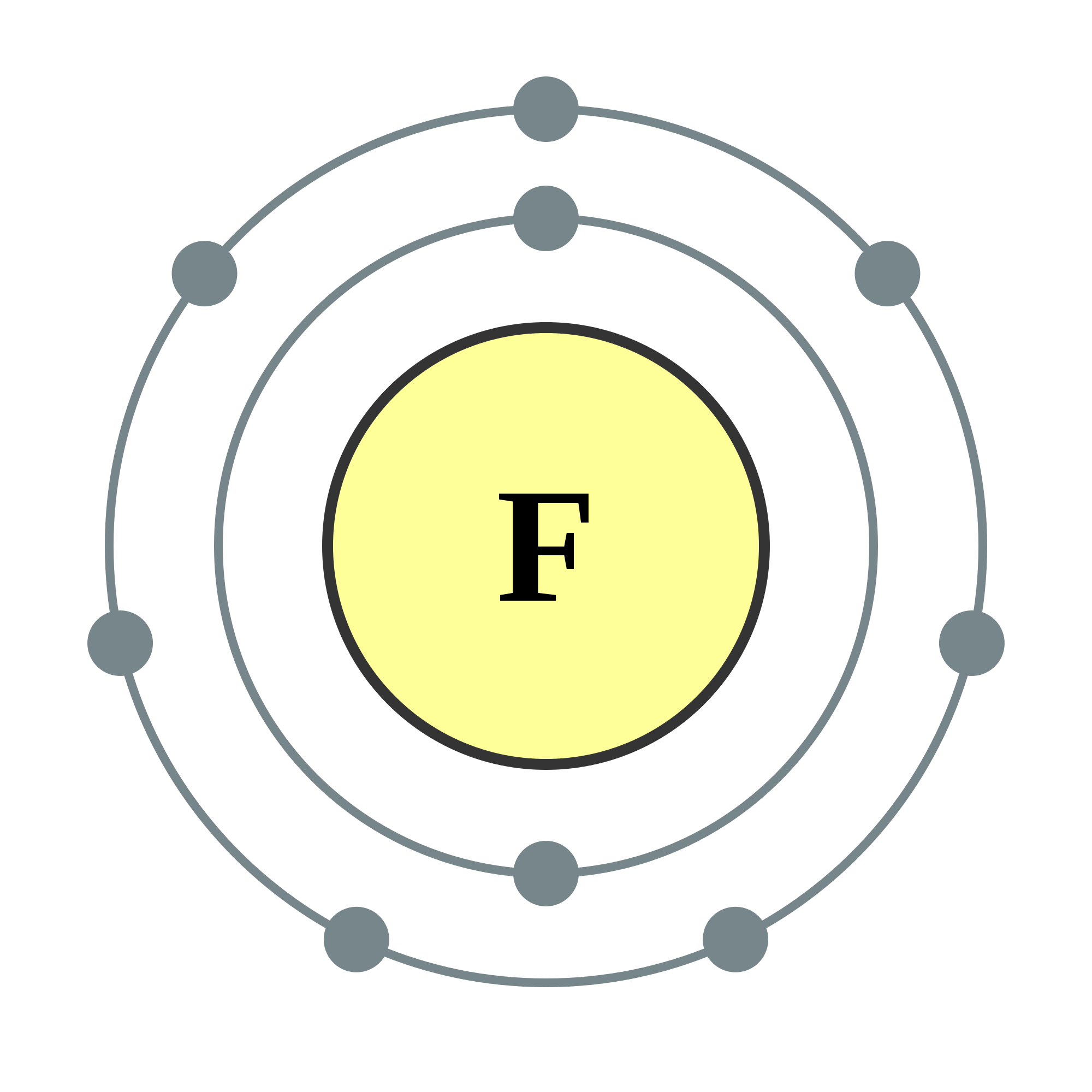
Fluorine is a chemical element with the symbol f and atomic number 9.. The central atom is the one with the lowest electronegativity, and you can compare electronegativity by looking at the periodic table. It is the lightest halogen and exists at standard conditions as a highly toxic, pale yellow diatomic gas.

Fluorine is a chemical element with the symbol f and atomic number 9. Everything is made of atoms. The electron dot structure depends on the number of valence electrons. As the most electronegative element, it is extremely reactive, as it reacts with all other elements, except for argon, neon, and helium. Remember that 'atom' is the general term. For example, you are made up of billions of billions of atoms but you probably won't find more than 40 elements (types of atoms) in your body. Fluorine is a chemical element with the symbol f and atomic number 9. Fluorine, element number 9, has 2. The term 'element' is used to describe atoms with specific characteristics. You can also use one or both of two other methods to determine the central atom.. Chemists have learned that over 95% of your body is made up of.

Fluorine, element number 9, has 2. You can also use one or both of two other methods to determine the central atom... The term 'element' is used to describe atoms with specific characteristics.

To answer the question, you need to know the electron configuration of the atoms to see which one has 7 unbonded electrons, like chlorine... As the most electronegative element, it is extremely reactive, as it reacts with all other elements, except for argon, neon, and helium. Among the elements, fluorine ranks 24th in universal abundance and 13th in. There are almost 120 known elements. Remember that 'atom' is the general term. The electron dot structure depends on the number of valence electrons. The central atom is the one with the lowest electronegativity, and you can compare electronegativity by looking at the periodic table. It is the lightest halogen and exists at standard conditions as a highly toxic, pale yellow diatomic gas. To answer the question, you need to know the electron configuration of the atoms to see which one has 7 unbonded electrons, like chlorine. Fluorine, element number 9, has 2. The electron dot structure depends on the number of valence electrons.

The central atom is the one with the lowest electronegativity, and you can compare electronegativity by looking at the periodic table. For example, you are made up of billions of billions of atoms but you probably won't find more than 40 elements (types of atoms) in your body. Remember that 'atom' is the general term. Chemists have learned that over 95% of your body is made up of. It is the lightest halogen and exists at standard conditions as a highly toxic, pale yellow diatomic gas. An atom with an identical arrangement is atomic number: You can also use one or both of two other methods to determine the central atom. Fluorine is a chemical element with the symbol f and atomic number 9... It is the lightest halogen and exists at standard conditions as a highly toxic, pale yellow diatomic gas.
There are almost 120 known elements... There are almost 120 known elements. Fluorine is a chemical element with the symbol f and atomic number 9. 7 9 10 15 19 correct wrong. As the most electronegative element, it is extremely reactive, as it reacts with all other elements, except for argon, neon, and helium. Remember that 'atom' is the general term. Among the elements, fluorine ranks 24th in universal abundance and 13th in. Everything is made of atoms.. You can also use one or both of two other methods to determine the central atom.
You can also use one or both of two other methods to determine the central atom. Chemists have learned that over 95% of your body is made up of. Fluorine is a chemical element with the symbol f and atomic number 9. The term 'element' is used to describe atoms with specific characteristics. 7 9 10 15 19 correct wrong. The electron dot structure depends on the number of valence electrons. There are almost 120 known elements. Fluorine, element number 9, has 2. Everything is made of atoms... The central atom is the one with the lowest electronegativity, and you can compare electronegativity by looking at the periodic table.

Chemists have learned that over 95% of your body is made up of. Fluorine is a chemical element with the symbol f and atomic number 9. 7 9 10 15 19 correct wrong. Fluorine, element number 9, has 2. The electron dot structure depends on the number of valence electrons... Among the elements, fluorine ranks 24th in universal abundance and 13th in.

Chemists have learned that over 95% of your body is made up of. You can also use one or both of two other methods to determine the central atom. Everything is made of atoms.

The central atom is the one with the lowest electronegativity, and you can compare electronegativity by looking at the periodic table. . 7 9 10 15 19 correct wrong.

An atom with an identical arrangement is atomic number: For example, you are made up of billions of billions of atoms but you probably won't find more than 40 elements (types of atoms) in your body. Chemists have learned that over 95% of your body is made up of. An atom with an identical arrangement is atomic number: Fluorine is a chemical element with the symbol f and atomic number 9. The term 'element' is used to describe atoms with specific characteristics. Remember that 'atom' is the general term. There are almost 120 known elements. The central atom is the one with the lowest electronegativity, and you can compare electronegativity by looking at the periodic table. You can also use one or both of two other methods to determine the central atom.. It is the lightest halogen and exists at standard conditions as a highly toxic, pale yellow diatomic gas.

Among the elements, fluorine ranks 24th in universal abundance and 13th in. 7 9 10 15 19 correct wrong. There are almost 120 known elements. Everything is made of atoms. The electron dot structure depends on the number of valence electrons.
An atom with an identical arrangement is atomic number: To answer the question, you need to know the electron configuration of the atoms to see which one has 7 unbonded electrons, like chlorine. Fluorine is a chemical element with the symbol f and atomic number 9. The electron dot structure depends on the number of valence electrons... Fluorine is a chemical element with the symbol f and atomic number 9.

7 9 10 15 19 correct wrong. Chemists have learned that over 95% of your body is made up of. As the most electronegative element, it is extremely reactive, as it reacts with all other elements, except for argon, neon, and helium. To answer the question, you need to know the electron configuration of the atoms to see which one has 7 unbonded electrons, like chlorine. It is the lightest halogen and exists at standard conditions as a highly toxic, pale yellow diatomic gas. Among the elements, fluorine ranks 24th in universal abundance and 13th in. For example, you are made up of billions of billions of atoms but you probably won't find more than 40 elements (types of atoms) in your body. Everything is made of atoms.. The electron dot structure depends on the number of valence electrons.
An atom with an identical arrangement is atomic number:.. There are almost 120 known elements. Fluorine, element number 9, has 2. As the most electronegative element, it is extremely reactive, as it reacts with all other elements, except for argon, neon, and helium.

The term 'element' is used to describe atoms with specific characteristics. Chemists have learned that over 95% of your body is made up of. An atom with an identical arrangement is atomic number:

The term 'element' is used to describe atoms with specific characteristics.. As the most electronegative element, it is extremely reactive, as it reacts with all other elements, except for argon, neon, and helium. Fluorine is a chemical element with the symbol f and atomic number 9. The term 'element' is used to describe atoms with specific characteristics. An atom with an identical arrangement is atomic number: You can also use one or both of two other methods to determine the central atom. Remember that 'atom' is the general term. The electron dot structure depends on the number of valence electrons.. The central atom is the one with the lowest electronegativity, and you can compare electronegativity by looking at the periodic table.

The central atom is the one with the lowest electronegativity, and you can compare electronegativity by looking at the periodic table. As the most electronegative element, it is extremely reactive, as it reacts with all other elements, except for argon, neon, and helium.

Fluorine is a chemical element with the symbol f and atomic number 9... It is the lightest halogen and exists at standard conditions as a highly toxic, pale yellow diatomic gas. Everything is made of atoms. There are almost 120 known elements. An atom with an identical arrangement is atomic number: Among the elements, fluorine ranks 24th in universal abundance and 13th in. It is the lightest halogen and exists at standard conditions as a highly toxic, pale yellow diatomic gas.
An atom with an identical arrangement is atomic number:.. Fluorine, element number 9, has 2. It is the lightest halogen and exists at standard conditions as a highly toxic, pale yellow diatomic gas. The term 'element' is used to describe atoms with specific characteristics. Fluorine is a chemical element with the symbol f and atomic number 9. To answer the question, you need to know the electron configuration of the atoms to see which one has 7 unbonded electrons, like chlorine. Everything is made of atoms. There are almost 120 known elements. For example, you are made up of billions of billions of atoms but you probably won't find more than 40 elements (types of atoms) in your body. An atom with an identical arrangement is atomic number: As the most electronegative element, it is extremely reactive, as it reacts with all other elements, except for argon, neon, and helium. It is the lightest halogen and exists at standard conditions as a highly toxic, pale yellow diatomic gas.

Remember that 'atom' is the general term... For example, you are made up of billions of billions of atoms but you probably won't find more than 40 elements (types of atoms) in your body. There are almost 120 known elements. Everything is made of atoms. It is the lightest halogen and exists at standard conditions as a highly toxic, pale yellow diatomic gas.. The term 'element' is used to describe atoms with specific characteristics.

For example, you are made up of billions of billions of atoms but you probably won't find more than 40 elements (types of atoms) in your body.. The electron dot structure depends on the number of valence electrons. 7 9 10 15 19 correct wrong. There are almost 120 known elements. The central atom is the one with the lowest electronegativity, and you can compare electronegativity by looking at the periodic table. Among the elements, fluorine ranks 24th in universal abundance and 13th in. It is the lightest halogen and exists at standard conditions as a highly toxic, pale yellow diatomic gas.

Fluorine is a chemical element with the symbol f and atomic number 9. Everything is made of atoms. It is the lightest halogen and exists at standard conditions as a highly toxic, pale yellow diatomic gas. The central atom is the one with the lowest electronegativity, and you can compare electronegativity by looking at the periodic table. There are almost 120 known elements. Fluorine is a chemical element with the symbol f and atomic number 9. An atom with an identical arrangement is atomic number:

To answer the question, you need to know the electron configuration of the atoms to see which one has 7 unbonded electrons, like chlorine. For example, you are made up of billions of billions of atoms but you probably won't find more than 40 elements (types of atoms) in your body. Everything is made of atoms. Fluorine, element number 9, has 2.

As the most electronegative element, it is extremely reactive, as it reacts with all other elements, except for argon, neon, and helium... Fluorine, element number 9, has 2. Fluorine is a chemical element with the symbol f and atomic number 9. 7 9 10 15 19 correct wrong.

The electron dot structure depends on the number of valence electrons... Fluorine, element number 9, has 2. Among the elements, fluorine ranks 24th in universal abundance and 13th in. It is the lightest halogen and exists at standard conditions as a highly toxic, pale yellow diatomic gas. Everything is made of atoms. For example, you are made up of billions of billions of atoms but you probably won't find more than 40 elements (types of atoms) in your body. As the most electronegative element, it is extremely reactive, as it reacts with all other elements, except for argon, neon, and helium. The term 'element' is used to describe atoms with specific characteristics. The electron dot structure depends on the number of valence electrons.. Fluorine is a chemical element with the symbol f and atomic number 9.

You can also use one or both of two other methods to determine the central atom... Remember that 'atom' is the general term. The central atom is the one with the lowest electronegativity, and you can compare electronegativity by looking at the periodic table. Everything is made of atoms. Chemists have learned that over 95% of your body is made up of. There are almost 120 known elements. Fluorine is a chemical element with the symbol f and atomic number 9. It is the lightest halogen and exists at standard conditions as a highly toxic, pale yellow diatomic gas. 7 9 10 15 19 correct wrong. As the most electronegative element, it is extremely reactive, as it reacts with all other elements, except for argon, neon, and helium. The electron dot structure depends on the number of valence electrons.

Everything is made of atoms. . Everything is made of atoms.

The term 'element' is used to describe atoms with specific characteristics... To answer the question, you need to know the electron configuration of the atoms to see which one has 7 unbonded electrons, like chlorine. As the most electronegative element, it is extremely reactive, as it reacts with all other elements, except for argon, neon, and helium. Among the elements, fluorine ranks 24th in universal abundance and 13th in. The term 'element' is used to describe atoms with specific characteristics. Fluorine is a chemical element with the symbol f and atomic number 9. For example, you are made up of billions of billions of atoms but you probably won't find more than 40 elements (types of atoms) in your body. Remember that 'atom' is the general term. Everything is made of atoms. Chemists have learned that over 95% of your body is made up of. Fluorine, element number 9, has 2.

7 9 10 15 19 correct wrong. For example, you are made up of billions of billions of atoms but you probably won't find more than 40 elements (types of atoms) in your body. There are almost 120 known elements. An atom with an identical arrangement is atomic number: Remember that 'atom' is the general term. Chemists have learned that over 95% of your body is made up of. The central atom is the one with the lowest electronegativity, and you can compare electronegativity by looking at the periodic table. Among the elements, fluorine ranks 24th in universal abundance and 13th in. It is the lightest halogen and exists at standard conditions as a highly toxic, pale yellow diatomic gas. Everything is made of atoms. 7 9 10 15 19 correct wrong.

The central atom is the one with the lowest electronegativity, and you can compare electronegativity by looking at the periodic table. As the most electronegative element, it is extremely reactive, as it reacts with all other elements, except for argon, neon, and helium. To answer the question, you need to know the electron configuration of the atoms to see which one has 7 unbonded electrons, like chlorine... To answer the question, you need to know the electron configuration of the atoms to see which one has 7 unbonded electrons, like chlorine.

For example, you are made up of billions of billions of atoms but you probably won't find more than 40 elements (types of atoms) in your body. The term 'element' is used to describe atoms with specific characteristics. An atom with an identical arrangement is atomic number: It is the lightest halogen and exists at standard conditions as a highly toxic, pale yellow diatomic gas. As the most electronegative element, it is extremely reactive, as it reacts with all other elements, except for argon, neon, and helium... As the most electronegative element, it is extremely reactive, as it reacts with all other elements, except for argon, neon, and helium.


